
Have you ever wondered why some people simply exude healthy wellness even when they face so many obstacles in life? And where there are others who seem to moan and groan when they appear to have it all? How others have flourished under the most challenging early life situations…. and yet seem to find their way out, up, over and beyond…?
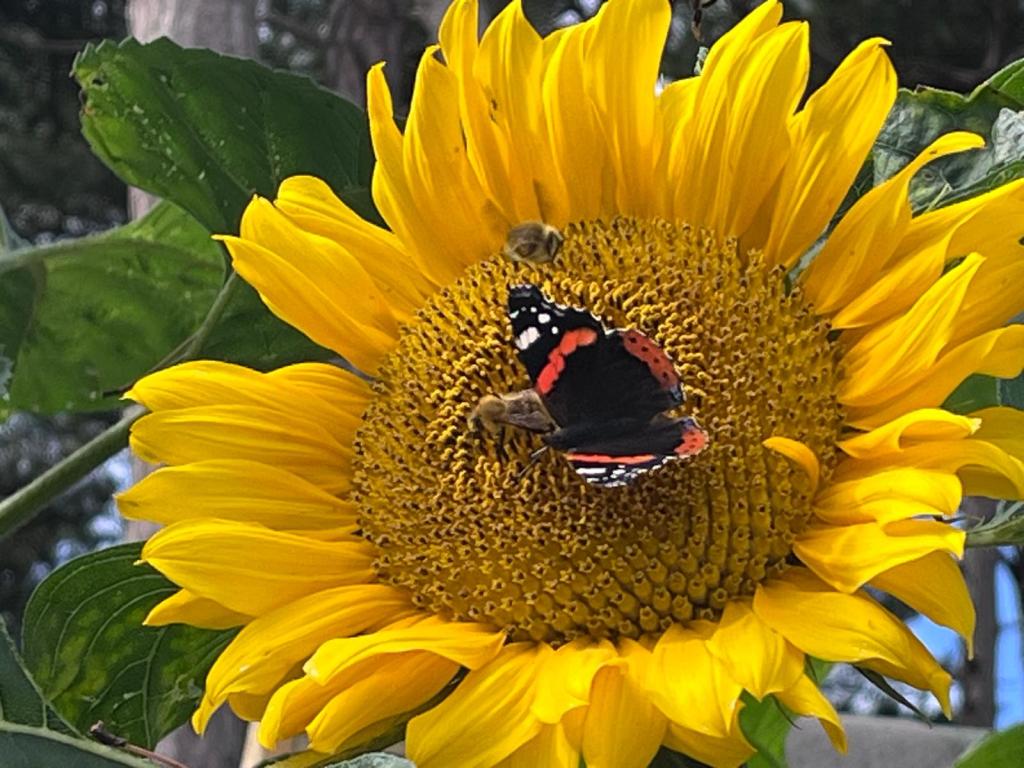
I have always been curious about people, life stories, the world around me and beyond, and this thing called energy. Before I was aware or learned anything about psychology, energy systems, relationships or philosophy, I was an observer of people and human lived experiences. As a consequence of all my work, I have come to realise that each one of us has a vital energy akin to an electrical current whose presence affects the life we live.
The Praxis Life Force philosophy is the belief that a vital energy or essence animates all living things, connecting one’s physicality (body), mentality (mind) and spirituality (soul). Having awareness matters because recognising and nurturing this life force encourages balance, vitality, purpose and respect for life. This helps us live more consciously, healthily and meaningfully. The environments and conditions that life is lived in are influential as they effect one’s life force quality – be it in relationship, workplace, stage of life etc…
The Life Force can be viewed as an organising principle. It is the movement towards something that feels more alive.
It is a way of paying attention to what is happening right now and the conditions that allow life to move, respond, repair, connect, express, let go and flourish.
There are four questions I offer that can help to make sense and make choices.
- What diminishes your life force?
- What protects your life force?
- What restores your life force?
- What allows your life force to flourish?
Life includes all it encounters. What you experience in every moment of your living matters.

Cultures and religions worldwide can often divide life experiences into positive and negative entities. Experiences deemed as negative can often become treated as something to avoid, resist and even deny they are happening. This can result in ‘splitting’ the experience so what is deemed as okay stays as opposed to what is judged as negative that goes into the unconscious. Splitting can inadvertently create a lop-sided, asymmetrical way of living, potentially manifesting as toxic positivity at the extreme. Splitting can also consume a lot of life force energy to keep the ‘negative experiences’ at arms length, out of view, touch and awareness.
Yet the life force exists in all experiences including:
- death
- grief
- illness
- winter
- withdrawal
- rest
- success
- failure
- ageing
- joy
- and more…..
The Life Force can be viewed as an organising principle. It is the movement towards something that feels more alive.
It is a way of paying attention to what is happening right now and the conditions that allow life to move, respond, repair, connect, express, let go and flourish.
Sometimes Life Force appears as:
- desire
- creativity
- anger
- pleasure
- rest
- grief
- capacity to say no
- self respect to withdraw from what is harming us
We are often taught to distrust these movements.
- Children are often taught to override their signals.
- Women are socially conditioned to suppress anger.
- Workers are taught to ignore exhaustion.
- People who are different are often taught to make themselves acceptable to the dominant group’s norms, and to hide what makes them unique.
- Carers can be taught that love means endless availability and duty.
We become skilled at adjusting ourselves to what the world demands. And in doing so, we can slowly lose contact with the movements of life within us.
So the question becomes: What supports life?
- What diminishes it?
- What protects it?
- What restores it?
- What allows it to flourish?
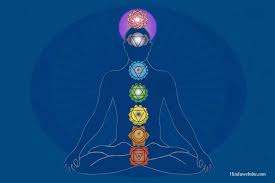
You might now be asking ‘wow, how does all this relate to The Chakras? Click here: ‘The Chakras and Human Energy System?’
- What diminishes it?
- What protects it?
- What restores it?
- What allows it to flourish?
(c) Lina Mookerjee. All Rights Reserved

